
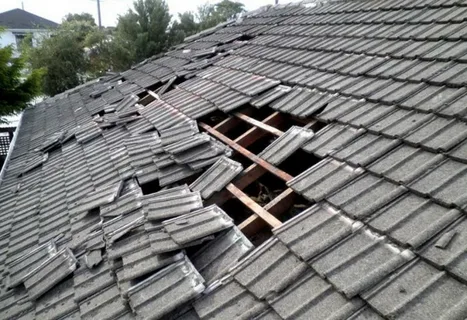
Hail is one of the most destructive weather events a roof can face, and a single storm can affect homes across an entire neighborhood. A hailstorm may last only minutes, yet it can leave behind roof damage that is invisible from the street. Because small problems can turn into leaks, mold, and structural repairs, knowing how to handle hail damage roof repair can save homeowners thousands of dollars. This guide covers what hail does to a roof, how to recognize it, how the insurance process works, what repairs cost, and which materials hold up best.
How Does a Hailstorm Affect Your Roof’s Condition?
Hailstones strike with real force, and the damage depends on stone size, wind speed, and the age and material of your roof. On asphalt shingles, impact knocks the protective granules loose, exposing the asphalt mat underneath. That layer then ages quickly under Colorado’s intense sun. Larger stones can bruise the shingle, fracture the fiberglass mat, or puncture the surface entirely.
Other roofing types suffer differently. Metal roofs usually dent rather than leak, tile can crack, and wood shakes can split along the grain. Even when no water is getting in yet, damaged roofing loses years of service life, which is why a roof can look acceptable from the ground and still need attention.
What Should Hail-Damaged Roofing Look Like Up Close?
Learning the signs of hail damage on roof surfaces helps you decide when to call a professional. On shingles, look for dark, round spots where granules have worn away, sometimes with a soft or spongy feel when pressed. Check for cracks, exposed black mat, or shingles that appear dented rather than flat. Granules collecting in gutters or at the base of downspouts are another warning, since a new roof sheds very few.
Inspect the metal pieces too. Dents in vents, flashing, ridge caps, and gutters are often the clearest evidence, because soft metals record every impact. Dings on a mailbox, air conditioner fins, window screens, or deck railings suggest hail large enough to harm the roof as well. Inside the house, watch for water stains on ceilings, damp insulation, or a musty odor in the attic after a storm. Any of these signs justifies a closer look.
Why Schedule a Hail Damage Roof Inspection?
A hail damage roof inspection gives you a documented, professional assessment rather than a guess. Many homeowners climb a ladder or look from the yard, but trained inspectors know how to tell hail impacts from blistering, foot traffic, or normal aging, and that distinction matters when an insurer reviews your claim.
A thorough inspection covers the shingles or panels across every slope, the flashing, vents, skylights, and gutters, and the underlying decking where needed. A good inspector will take photos of the damage, outline test areas on the shingles when needed, and walk you through the findings in simple terms. At Action Roofing and Restoration, an inspection is a fact-finding step, not a sales pitch, and it gives you the evidence you need whether you move forward with repairs or simply keep records for later. Schedule it soon after a storm. Evidence is clearest right away, and delays can make it harder to connect the damage to a specific weather event.
What Steps Should You Take to Claim Hail Storm Damage Through Insurance?
A roof insurance claim after hail storm events follows a fairly consistent path, and preparation makes it smoother. Before calling anyone, look over your insurance policy for three details: how much your deductible is, whether the roof is covered at replacement cost or actual cash value, and how long you have to report hail damage. Policies differ, so read the exact terms or ask your agent.
Next, document everything. Take dated photos of the roof, gutters, siding, and any damaged outdoor items, and note the date of the storm. Make temporary repairs, such as tarping an exposed area, to prevent further damage, and keep every receipt. After that, call your insurance company and start the claim. An adjuster will schedule a visit to evaluate the roof.
It helps to have your contractor’s inspection report on hand and, if possible, to have the contractor present when the adjuster arrives so both sides see the same evidence. After the review, the insurer will approve, partially approve, or deny the claim. If the estimate seems low or something was missed, you can request a re-inspection and submit additional documentation. Be cautious of anyone who offers to cover or waive your deductible, since that practice is restricted in Colorado, and ask your insurer or a licensed professional about the rules.
How Much Should You Budget for Repairing a Hail-Damaged Roof?
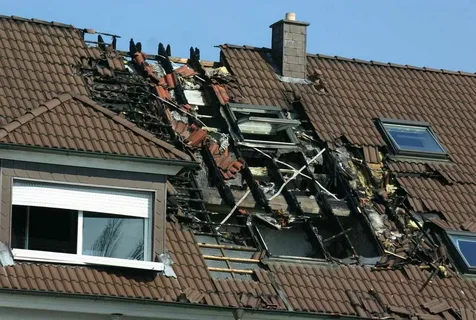
There is no single price for hail damage roof repair, because the total shifts with the amount of damage and the type of roof involved. Spot repairs, such as replacing a handful of damaged shingles or a dented vent, are far less expensive than a full replacement. When damage is widespread across several slopes, replacement is often the more sensible and sometimes the only code-compliant option.
Several factors shape the final number:
Roof size and pitch: Larger and steeper roofs require more materials, labor, and safety equipment.
Material type: Asphalt, metal, tile, and synthetic products carry different price points.
Extent of damage: Decking, underlayment, and flashing repairs add to the total.
Roof complexity: Valleys, dormers, and multiple levels increase labor.
Insurance coverage: Your deductible and policy terms determine what you pay out of pocket.
The most reliable way to get a real figure is a written estimate after an on-site inspection. When insurance covers the loss, your main cost is often the deductible, which is another reason to file promptly when damage is real.
Can a Repair Fix Your Roof, or Is It Time for a New One?
Not every hail event ends in a new roof. If damage is limitedto asmall area and the rest of the roof is in good condition, targeted roof repair may restore protection. Repairs make sense when shingles are available that match, the decking is sound, and the roof is relatively young.
Replacement becomes the better path when hail has bruised or cracked shingles across large sections, when the roof is already near the end of its life, or when repeated repairs would cost nearly as much as starting fresh. A professional can also tell you whether roof restoration, which focuses on renewing and protecting an existing roof, fits your situation. Asking for both options in writing makes it easier to compare long-term value.
Which Hail Resistant Roofing Materials Hold Up Best?
If you live where hail is a recurring threat, the material you choose matters. Hail resistant roofing materials are designed to absorb impact with less cracking or granule loss. Impact-resistant asphalt shingles rated Class 4 under the UL 2218 test are a popular upgrade because they cost less than many alternatives and look similar to standard shingles. Metal roofing resists punctures and lasts a long time, though some thin panels may dent cosmetically. Concrete tile and certain polymer or synthetic products also perform well in harsh weather.
Many insurers offer premium discounts for impact-resistant roofs, so ask your carrier what applies in your case. Proper installation is just as important as the product, because even a premium material can fail if the underlayment, fasteners, or flashing are done poorly. That is where an experienced roof installation team makes the difference.
How Can Action Roofing and Restoration Help?
Action Roofing and Restoration works with homeowners and property owners who need clear answers after a storm. Our hail damage repair service starts with a careful inspection and honest documentation, so you understand what happened to your roof before making any decisions.
For homeowners, our residential roofing team handles everything from small fixes to complete projects. We provide roof repair for localized damage, roof replacements when a roof is beyond saving, and roof installation with durable materials suited to Colorado weather. If your existing roof still has life left, roof restoration can renew its protection and appearance.
Business owners face the same storms on larger roofs, where downtime and leaks cost real money. Our commercial roofing services address damage on flat and low-slope systems as well as larger buildings, with a focus on keeping your property protected and operating.
Acting Quickly Protects Your Roof and Your Claim
Hail damage is easy to underestimate because the early signs are subtle, while the consequences can be expensive. Watch for granule loss, dents in metal components, and interior stains. Book a professional inspection, document the damage, and review your policy before you open a claim. Understanding repair costs and hail-resistant options also helps you rebuild stronger than before. For dependable hail damage roof repair Parker CO property owners can trust, contact Action Roofing and Restoration to schedule an inspection and get a clear, written plan.
Frequently Asked Questions
How do I know if my roof has hail damage?
Look for dark round spots, missing or loose granules, cracked or bruised shingles, and dents in vents, flashing, and gutters. Water stains on interior ceilings are another clue. Because some damage is hard to see from the ground, a professional hail damage roof inspection is the most reliable way to confirm it.
How soon should I file a roof insurance claim after a hail storm?
As soon as you notice damage. Policies set their own reporting deadlines, and waiting can make it harder to prove the storm caused the problem. Check your policy for the exact time limit and begin documenting the damage right away.
How much does hail damage roof repair cost?
Cost depends on roof size, material, extent of damage, and any decking or flashing repair. Small repairs cost far less than a full replacement. A written estimate after an inspection gives you an accurate figure, and your insurance coverage will determine your out-of-pocket share.
Will insurance pay for a new roof after hail damage?
It can, if the damage is covered and extensive enough to justify replacement. Coverage depends on your policy, deductible, and whether it pays actual cash value or replacement cost. The adjuster’s findings and your contractor’s documentation both play a role.
What are the best hail resistant roofing materials?
Class 4 impact-resistant shingles, metal roofing, concrete tile, and some synthetic products perform well against hail. The best choice depends on your budget, home style, and insurer discounts, so ask a roofing professional to compare options for your home.