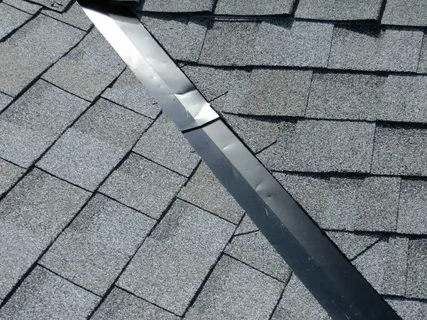
Roof leaks around flashing over chimneys, plumbing vents and skylights are typically the result of damaged or improperly installed flashing, cracked rubber boot seals, deteriorated caulking and decayed masonry mortar. Since roof penetrations break the uniform shingle pattern, failure of the flashing and roof sealant beneath the shingles allows driven rain and melting ice to enter through the roof deck and produce ceiling water stains, fill attic cavity insulation and rot structural wood.
Conduct an attic inspection after a heavy rainfall to follow water tracks. Examine chimney step & counter flashing mortar joints for separation, rubber pipe boot collars for UV damage cracking, skylight glass sealant & weep hole blockages, remove ice damming in roof valleys, and contract a licensed roofing contractor to install new rusted metal flashing or compromised vent boots.
The Weak Link: How Roof Penetrations Break the Waterproof Barrier
Water flows down and off your roof via the overlapping asphalt shingles or metal panels. Each and every hole in your roof, from chimney to vent pipe to skylight, is another intersection of large-volume drain water.
As any part of the water-diversion route fails, gravity and the wind will push water laterally beneath the shingles and into your home’s framing.
How Chimneys Leak: Roof Leaks Around Flashing Malfunctions & Masonry Deterioration
Chimneys also pose a special kind of roofing problem, since they divide two materials which are not very compatible: inflexible brick and a bouncy wooden roof.
1. Step and Counter-Flashing Separation
Chimney waterproofing is a two-part metal flashing system:
● Step Flashing: L-shaped pieces of metal inserted into each course of the shingles along the sides of the chimney.
● Counter-Flashing: Strips of metal are bent into the brick mortar joints and fold down over the step flashing.
Masonry and wood expand and contract at different rates because of the seasons.
This flicking of counter-flashings in and out of mortar joints opens up spaces through which rainwater directly behind the metal shell runs.
2. Chimney Cricket Absence and Masonry Porosity
When a chimney exceeds 30 inches wide, it gathers water and sap flowing down the roof slope. If a wood-and-metal diversion structure (a cricket or saddle) isn’t built at an angle behind the chimney, water falls back on the rear brick wall, causing a backed-up leak.
Both bricks and mortar are porous. Water trapped inside the brickwork by melting winter moisture is able to expand the mortar joints and chimney crown and find its way to the roof line below.
The Cause of Roof Vent and Pipe Boot Leaks: Decomposing Rubber and Failed Screws
Fan vents, furnace flues, and plumbing vent stacks can be some of the biggest culprits when it comes to isolated attic leaks.
1. UV Degradation of Rubber Pipe Boots
Many plastic roofs with stacks extend through the roof deck and are covered with a neoprene rubber boot attached to a metal or plastic flange. The neoprene rubber collar is severely sun UV (ultraviolet radiation) damaged over time, causing it to become brittle, crack, and split in 7 to 10 years before the asphalt shingles fail.
2. Rusted Flanges and Backed-Out Fasteners
This little bit of attic heat and the outside weather cycles will cause the roof decking to move back and forth. This movement pushes the uncovered nail fasteners out of the metal vent flanges. Water is drawn straight down the threaded shank of the loose nail right through the roof sheath into the attic.
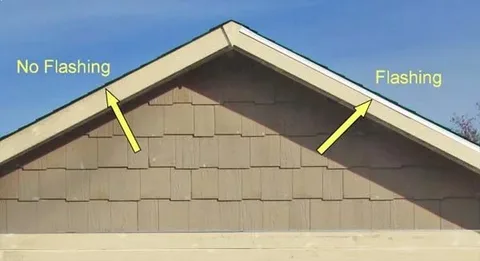
Reasons Your Skylights Are Leaking: Frame Seals, Condensation, and Flashing
Skylights provide natural sunlight but collect rainwater, ice, and fallen debris as a horizontal catch basin.
1. Degraded Glass-to-Frame Gaskets
The perimeter gaskets are made of synthetic rubber, firmly sealing the glass pane against the aluminium frame. During the same process as the glass breaking, the perimeter gaskets are compromised by the constant thermal cycling of the glass to seal. As a result, water freely flows through the aluminium frame and directly onto interior drywall light wells.
2. Clogged Weep Holes and Apron Flashing Gaps
The channels on the skylight frame to drain water that accumulates from glass condensation are known as weep holes. Water may back up and run into the house if leaves and pine needles block the weep holes.
The base metal apron of a skylight should be installed directly over the lower shingles. Bending, rusting or an unseated nail can allow driven rain to wash up beneath the unit.
Penetration Leak Diagnostic Summary
● Chimney Counter-Flashing: High structural risk. Mortar bond breaking apart or flashing with no cricket. Needs to be recaulked; repointed with mortar, or flashing may need to be replaced.
● Plumbing Vent Boot: Plumber’s tape on threads; high leak frequency; leaking on the inside of the structure. UV cracked neoprene rubber collar; adapter; part replacement or re-fit boot.
● Moderate frequency of leaks: Expansion causes fasteners to back out; needs to be reset with gasketed roof screws and sealant.
● Skylight Perimeter Seal: High risk for interior damage; dried-out frame gaskets or weep hole blocked; needs frame reseal or unit replaced.
Why Hire Professionals for Roof Penetration Leak Repair?
Roof flashing repair of leaks at roofs around chimneys, vents, and skylights involves working on high roof pitches, locating invisible tracks of water, and performing sheet metal work of more than one layer.
You don’t always get a leak directly beneath the roof entry point, but a dozen or more feet down the rafters. Trained roofers leverage thermal imaging and moisture metres to accurately identify the source.
Re-flashing a chimney or skylight requires fold-out custom metal bending, step-flashing fitting into shingle courses, and masonry counter-flashing installation. Tar slathering by DIY doesn’t hold up to the sun for months.
Falling from a slick, pitch roof plane must be met with professionally-fitted fall-arrest harnesses, master ladder stabilisation systems, and insurance that protects homeowners if a fall occurs.
Conclusion
Broken pipe flashing, ageing rubber boots, loosened frame sealants, and crumbling masonry joints cause roof leaks around chimney flashing, roof vent leaks, and skylights. These penetrations create “holes” in your home’s main weather barrier, so a minimal gap in a pipe collar or step flashing can damage framing, attics, and drywall, and significantly shorten the lifespan of your roof.
Avoiding leaks by installing new rubber boots now, performing periodic chimney flashing inspections, and replacing separated metal flashing with a licensed roofing contractor will help you keep your roof dry for more than 20 years.
Frequently Asked Questions
1. How can I tell if a ceiling leak is coming from the chimney or the roof?
Water stains that appear on ceilings directly adjacent to a brick fireplace or inside a chimney chase indicate a chimney flashing or crown leak.
2. Can you just apply roof tar or caulk to fix a chimney leak?
No. Applying roofing cement over failing flashing is a temporary patch that typically breaks down within 6 to 12 months under UV rays.
3. How long do rubber plumbing vent boots last?
Standard neoprene rubber pipe boots last between 7 and 10 years, whereas high-grade silicone boots or metal-capped collars can last 20+ years.
4. Is a leaking skylight always broken, or could it be condensation?
High indoor humidity during winter can cause moisture to condense on cold skylight glass and drip downward, mimicking a roof leak.
5. How much does it cost to replace a roof pipe boot vs. chimney flashing?
Replacing a simple rubber pipe boot typically costs between $150 and $350, whereas custom chimney re-flashing involves masonry work and ranges from $500 to $1,500+.