
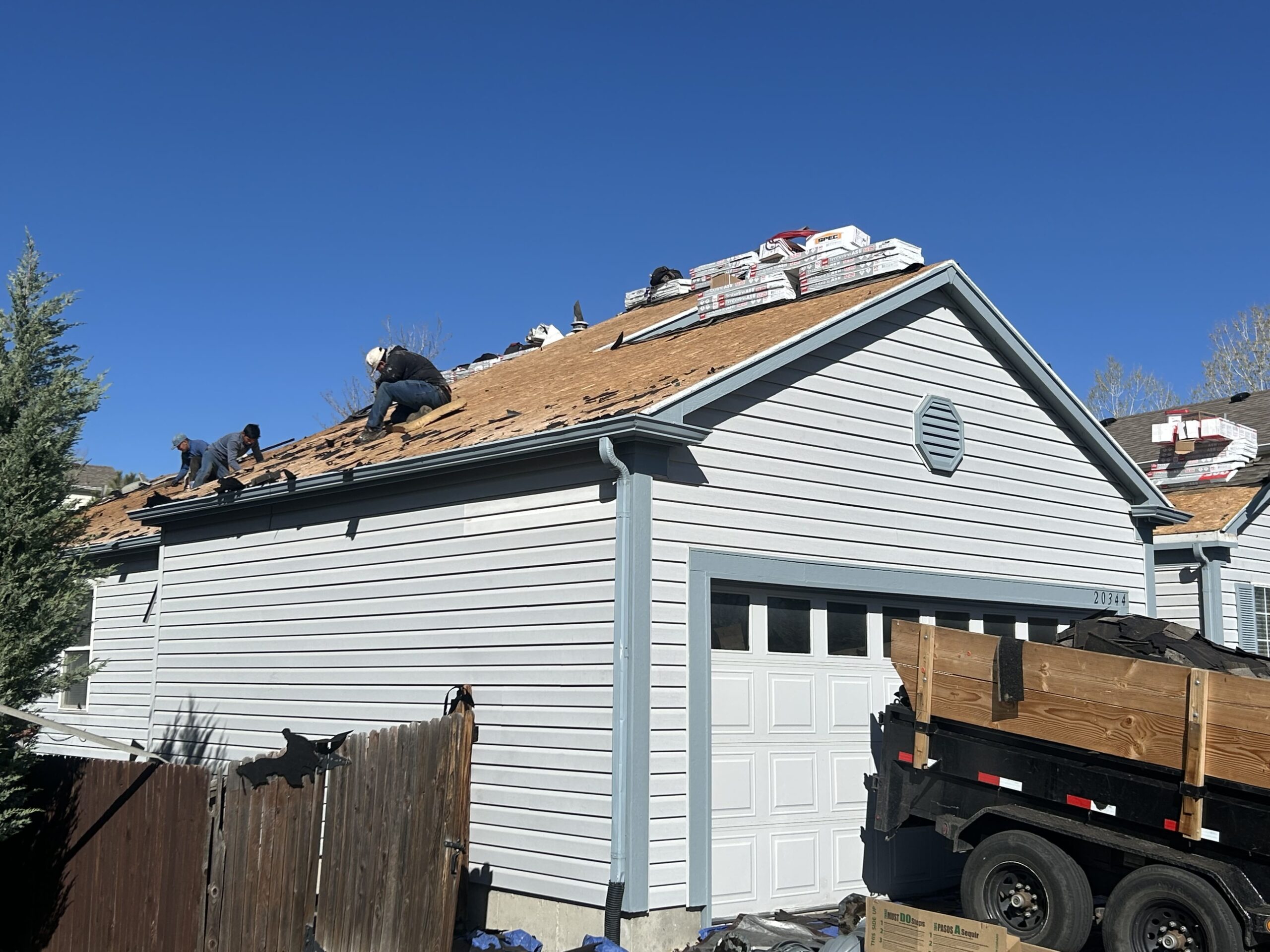
While it can be easy to overlook a few missing shingles, it can cause major havoc for you in the long run. Though small roofing problems can rapidly turn into costly repairs when allowed to stand for too long. At Action Roofing and Restoration, we often provide assistance to homeowners facing roof damage caused by missing shingles, water ingress, storm-induced roofing hazards, essentially providing damage control before the situation escalates.
Some homeowners assume that a roof damage only leaks when they can visibly see major damage. In fact, a single missing shingle can allow moisture, sunlight, and structural decay into areas of the roof that are otherwise left unprotected.
The Importance of Shingles More Than Some Think
Roof shingles serve as the initial line of defense between your home and harsh elements. They protect the roof from:
- Rain
- Wind
- UV exposure
- Debris
- Moisture penetration
When shingles get old and start to come loose or crack, they also expose the materials underneath your roof. This typically invites water to enter slowly, where direct moisture exposure was never intended or even capable.
And that little opening can cause big issues with the structure in many months to come.
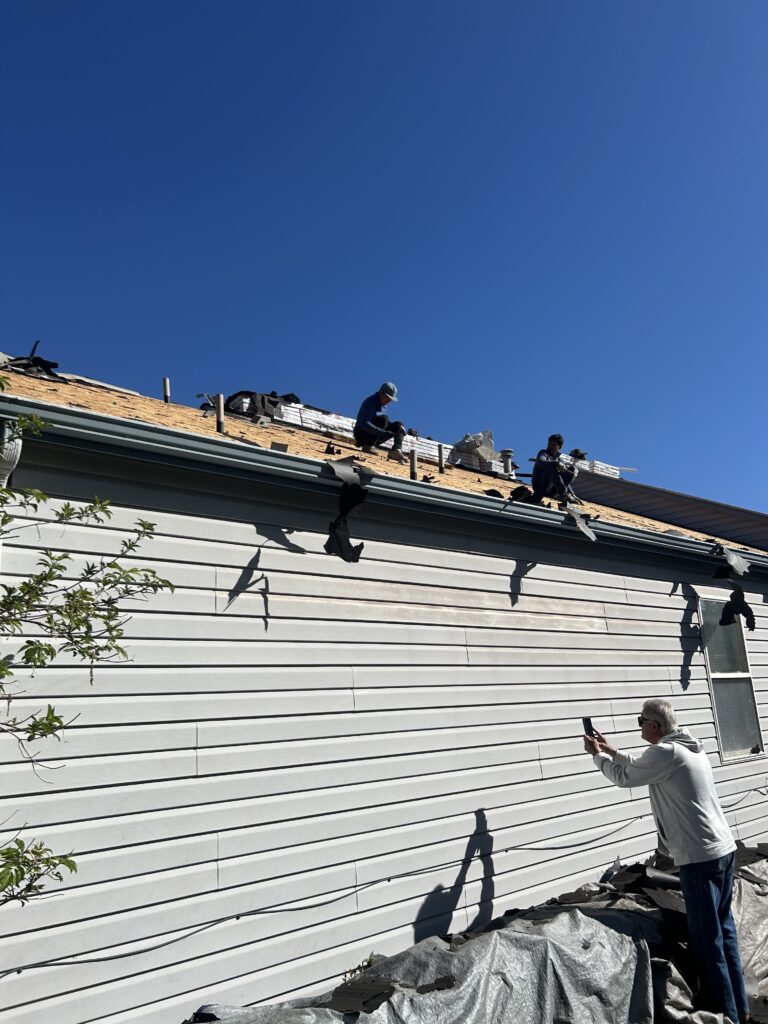
How Are Your Roof Damaged by Missing Shingles?
Water infiltration is one of the most common causes of missing shingles cause serious roof damage.
After water weeps through exposed roofing layers, it may start damaging:
- Roof decking
- Underlayment
- Attic insulation
- Interior ceilings
- Wooden framing
Most of the time, the roof damage surface issue is just a little aspect of the real destruction in reality existing below.
Wind & Storm Damage Often Begins With Small Events
Extreme weather is one of the most frequent causes of shingles becoming broken or detached.
High winds may not even rip shingles off a roof, but can raise them slightly. After that, storms hit and cause more damage very quickly.
Some common warning signs you see after storms are:
- Missing shingles
- Curling shingles
- Loose roofing materials
- Granule loss
- Water stains in the attic
Most homeowners fail to understand that storm-damaged roofs can continue deteriorating for days, even weeks, after the actual storm passes if repairs are postponed.
Roof Damage Affects Energy Efficiency
Lack of shingles does not merely heighten the odds for leaks. They are not the only thing that could be affecting your home’s energy efficiency.
Roofing systems in poor condition permit excess heat and moisture to enter the attic space, resulting in HVAC systems functioning harder during the year.
When your roof is damaged, it can also be more vulnerable to the sun, which will significantly speed up how quickly that area of the roof begins to age — and if you live in a warmer climate, special attention may need to be given to this, as prolonged exposure could make aging occur even faster.
The Value Of Small Repairs Is Universally Less Than Major Restoration
One of the reasons homeowners postpone roofing repairs is that they assume the damage is insignificant or temporary.
What could start as an easy fix with a couple of shingles may ultimately turn into:
- Decking replacement
- Interior ceiling repair
- Mold remediation
- Structural wood repair
- Full roof replacement
Roofing systems are not made to function as an isolated, separate protective covering. As soon as one area gets compromised, neighboring material typically starts to deteriorate more quickly.
Roof Inspections Can Identify Hidden Problems
The cons of missing shingles is because the hidden moisture damage might not be immediately visible from ground level.
Professional inspections assist in recognizing problems, for example:
- Soft decking
- Moisture intrusion
- Underlayment deterioration
- Ventilation concerns
- Flashing damage
Most roofing problems are infinitely more manageable and cost-effective when spotted early.
At Action Roofing and Restoration, we recommend homeowners get our team to inspect their roof damage after major storms for this reason: Damage that cannot be seen often happens long before it rears its head as a leak inside.
Time is Money: Insurance Claims May be Contingent on Rapid Action
Post-storm damages could complicate insurance claims if repairs are delayed.
Most insurance companies tend towards a reasonable mitigation being exercised by the homeowners after an event to limit exposure to additional damages.
That may include:
- Temporary roof protection
- Prompt inspections
- Quick repair scheduling
- Documentation of damage
Conclusion
A missing shingle may not sound like a big roofing problem, but if the moisture beneath it gets to the underlying roofing system, that little issue can turn into major roof damage. Water ingress, damage to structural components, mold growth, and increasing repair expenses often start with very small areas of exposed roofing.
At Action Roofing and Restoration, we affordably train homeowners on what to look out for that can mean trouble with minimal long-lasting preventative maintenance and roofing repair services in Flagstaff.
FAQs
Does one missing shingle really cause a leak in the roof?
Yes. It is only one shingle, which can expose the Waverly layers underneath and leave them susceptible to moisture that can easily leak through.
How promptly should I fix missing shingles?
Roof repairs should be addressed as soon as possible, particularly after storms or periods of prolonged exposure to heavy rain.
Does homeowners’ insurance cover missing shingles?
Yes, coverage depends on the loss and whether your insurance covers it or not. According to the state, indefinite reasons for damage may also be important, but water damage is often covered if it was caused by a storm.
Does wind damage really remove shingles, or does it just loosen them up?
Yes. Wind can cause the seals to weaken and tear off before you see anything.
How can I tell if hidden damage was caused by shingles?
Professional roof inspections can identify moisture incursion, soft decking, and hidden deterioration not visible from the outside.