
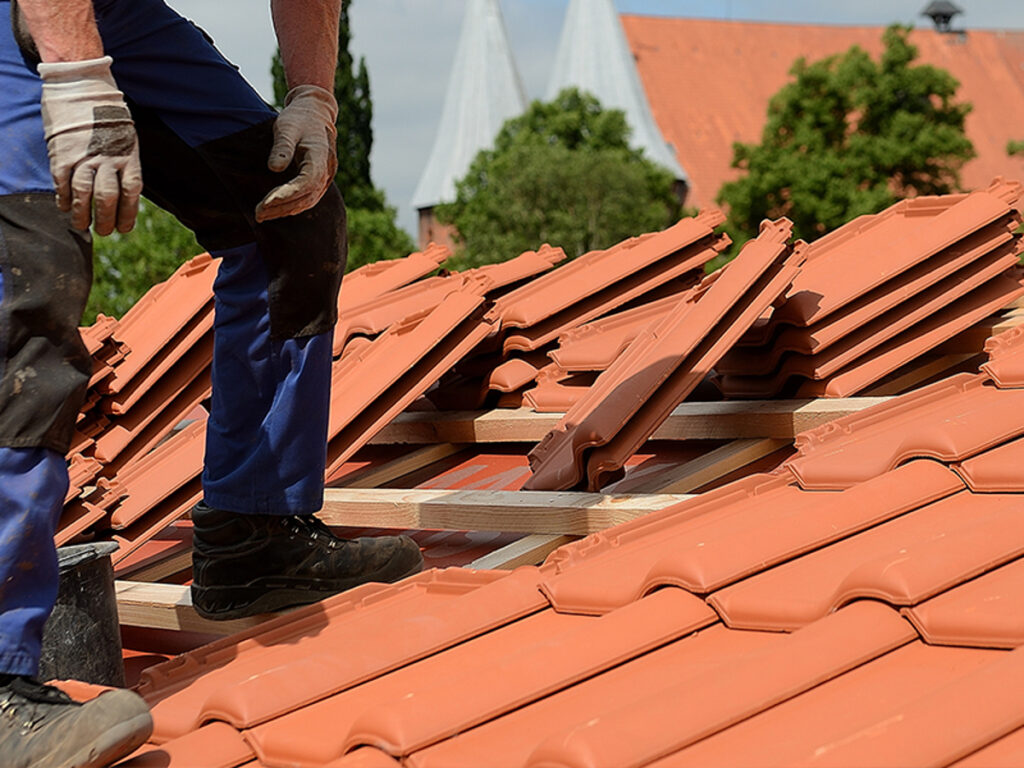
Commercial properties depend on a strong, dependable roof to protect employees, equipment, inventory, customers, and valuable business assets. Commercial Roof Repair becomes necessary when problems such as roof leaks, damaged membranes, clogged drainage systems, or poor installation begin affecting the building. Understanding common roofing problems and taking preventive action can help property owners reduce unexpected expenses, extend roof life, and avoid major disruptions to daily operations.
Why Commercial Roof Maintenance Matters
A commercial roof repair is exposed to changing weather conditions throughout the year, including heavy rain, strong winds, intense sunlight, snow, and temperature changes. Over time, these conditions can weaken roofing materials and create areas where water can enter the building.
Regular building maintenance allows property owners and facility managers to identify small concerns before they become expensive repairs. Professional inspections can reveal damaged flashing, deteriorated roofing materials, standing water, blocked drains, and other warning signs that may not be obvious from inside the building.
Common Commercial Roofing Problems
Commercial roofing systems can develop different problems depending on the roof type, building design, age, installation quality, weather exposure, and maintenance history. Some problems may begin as minor defects but become serious when they are ignored.
Knowing what to look for helps property owners take action sooner. The most common issues include roof leaks, ponding water, damaged flashing, membrane deterioration, punctures, poor drainage, storm damage, and problems caused by previous repairs or improper installation.
Roof Leaks and Water Intrusion
One of the most common reasons businesses require Commercial Roof Repair is water intrusion. Roof leaks can develop around seams, flashing, vents, drains, skylights, rooftop equipment, and other areas where roofing materials meet.
A small leak should never be ignored simply because the water appears to be limited. Moisture can travel through roofing materials and insulation before becoming visible inside the building. Over time, water intrusion can damage ceilings, walls, insulation, electrical components, inventory, and interior finishes.
Regular inspections can help identify potential leak sources before they cause extensive interior damage. If you notice water stains, damp areas, dripping, or musty odors, schedule an inspection as soon as possible.
Ponding Water on Flat Roofs
Standing water is a common concern for commercial properties, particularly buildings with flat or low slope roofing systems. After rainfall, water should move toward drains and designated drainage points. When water remains on the roof for an extended period, it can place additional stress on commercial roof repair materials.
Ponding water may be caused by blocked drains, inadequate drainage, surface settlement, damaged materials, or an improperly designed drainage system. Over time, repeated exposure to standing water can contribute to membrane deterioration and increase the likelihood of leaks.
Flat roof repair may be necessary when drainage problems, membrane damage, or other roofing defects are identified. Addressing the underlying cause is important because simply removing standing water does not prevent it from returning.
Damaged or Deteriorated Flashing
Flashing helps protect vulnerable areas where roofing surfaces connect with walls, curbs, vents, chimneys, equipment, and other structures. When flashing becomes loose, cracked, bent, or deteriorated, water may find a path beneath the commercial roof repair system.
Damaged flashing is especially important to inspect because leaks may not appear directly below the damaged area. Water can travel through roofing layers before entering the building at a different location.
Professional inspections can identify flashing concerns and determine whether repair or replacement is the appropriate solution.
Roof Membrane Damage
Many commercial roof repair use membrane systems designed to provide a protective barrier against weather and moisture. These membranes can become damaged by foot traffic, severe weather, aging, rooftop equipment, debris, or improper maintenance.
Punctures, cracks, tears, open seams, and surface deterioration can weaken the roof’s ability to keep water outside. Even a relatively small opening can become a source of moisture intrusion during heavy rainfall.
Professional roof repair services can evaluate the condition of the membrane and determine whether localized repairs or more extensive work is needed.
Damage From Severe Weather
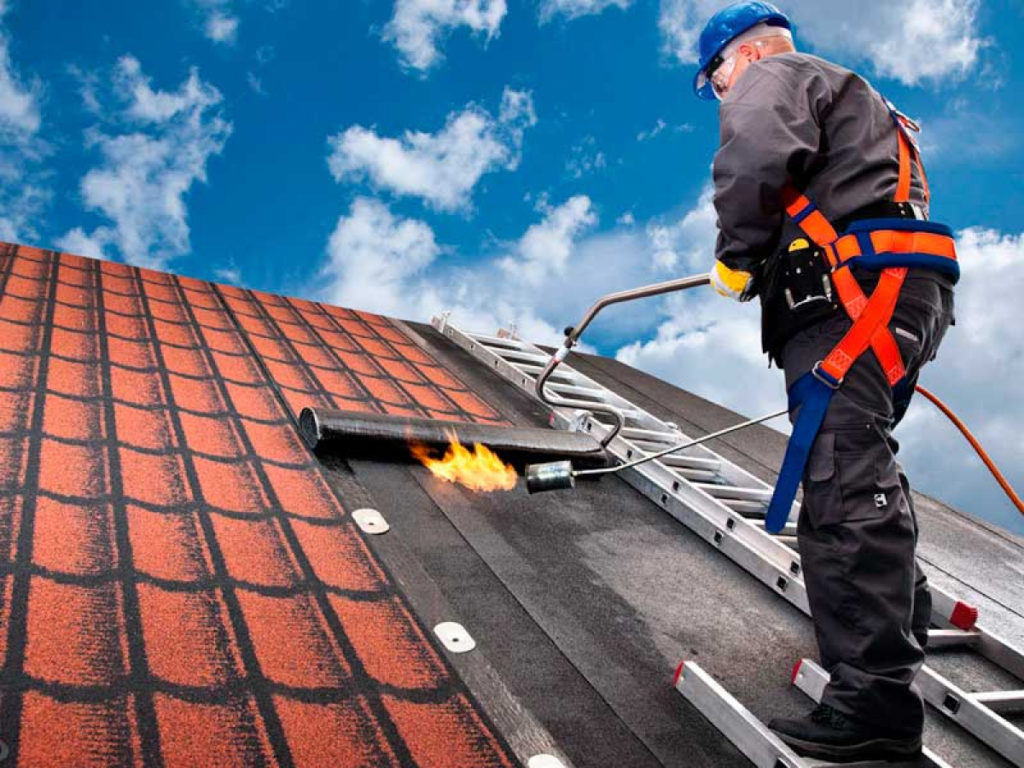
Strong storms can cause significant commercial roofing damage. High winds may loosen roofing materials, while hail can create dents, cracks, punctures, or other damage. Heavy rainfall can expose existing weaknesses and make minor problems much worse.
After a major storm, property owners should arrange a professional roof inspection even if no interior leaks are immediately visible. Some storm damage may remain hidden until the next period of heavy rain.
Early inspection can help document damage, identify urgent repairs, and reduce the possibility of a small roofing problem becoming a major building issue.
Blocked Roof Drains and Gutters
Commercial roofs depend on proper drainage to move rainwater away from the building. Drains, gutters, scuppers, and downspouts can become blocked by leaves, dirt, branches, trash, and other debris.
When drainage systems become clogged, water can accumulate on the roof and increase the risk of leaks and material deterioration. Regular cleaning should therefore be included in the property’s overall building maintenance plan.
Property managers should inspect drainage points regularly, especially before and after periods of heavy rainfall. Keeping drainage pathways clear is a simple step that can provide meaningful protection for a commercial roof.
Roof Punctures and Surface Damage
Commercial roofs can be damaged by maintenance workers, contractors, equipment installation, tools, debris, or frequent foot traffic. Punctures may seem insignificant, but they can create openings where water enters the roofing system.
Businesses with rooftop HVAC equipment, solar equipment, communication systems, or other installations should take particular care to protect the roof surface. Walkways and designated service areas can help limit unnecessary foot traffic across vulnerable roofing materials.
Poor Previous Repairs
A commercial roof repair may develop problems because of previous repairs that were incomplete or improperly performed. Temporary patches can sometimes hide the visible symptom without resolving the actual source of the problem.
When recurring leaks appear in the same location, it is worth having the entire area professionally evaluated. A qualified roofing contractor can determine whether the issue is related to the original roof, drainage, flashing, previous repair work, or another underlying problem.
Roofing Problems and Their Prevention
| Common Problem | Possible Cause | Preventive Action |
|---|---|---|
| Roof leaks | Damaged materials or flashing | Schedule regular inspections |
| Ponding water | Poor drainage or blocked drains | Keep drainage systems clear |
| Membrane damage | Weather, traffic, or debris | Limit unnecessary roof traffic |
| Flashing damage | Aging or severe weather | Inspect vulnerable areas |
| Storm damage | Wind, hail, and heavy rain | Arrange post storm inspections |
| Drain blockage | Leaves and debris | Clean drains and gutters regularly |
| Punctures | Foot traffic or equipment work | Use designated roof walkways |
How Regular Building Maintenance Prevents Roof Damage
Roof maintenance should be part of a property’s broader building maintenance program. Waiting until a serious leak develops can result in higher repair costs and interruptions to business operations.
Routine maintenance may include visual inspections, drainage cleaning, flashing checks, sealant inspections, surface evaluations, and post storm assessments. A consistent maintenance schedule makes it easier to track changes in the roof’s condition and plan commercial roof repair before they become emergencies.
Property owners can also maintain records of inspections and completed repairs. This information can help identify recurring issues and support better long term maintenance planning.
Schedule Professional Roof Inspections
Professional inspections provide an opportunity to identify roofing problems that may not be visible from ground level. An experienced commercial roof repair professional can inspect seams, flashing, drainage systems, rooftop equipment areas, and other vulnerable locations.
The frequency of inspections depends on the roof’s age, condition, material, weather exposure, and building use. Older roofs and properties exposed to severe weather may benefit from more frequent evaluations.
Regular inspections can also help property owners make informed decisions about whether repair, restoration, or replacement makes the most financial sense.
When Should You Consider Commercial Roof Repair?
The best time to address commercial roof repair problems is before they begin affecting business operations. Warning signs can include recurring leaks, water stains, damaged roofing materials, standing water, loose flashing, visible cracks, unusual interior odors, and ceiling damage.
You should also consider professional evaluation after significant storms or when the roof has reached an advanced age. Acting early can help reduce the risk of extensive water damage and unexpected repair expenses.
Professional Commercial Roof Repair is especially important when a roofing problem is recurring or when temporary fixes have failed to provide a lasting solution.
Choosing the Right Roofing Contractor
Selecting the right roofing contractor is an important part of protecting a commercial property. Look for a contractor with experience working on commercial roofing systems and an understanding of the specific roof type installed on your building.
A reliable contractor should clearly explain the condition of the commercial roof repair, identify areas requiring attention, and provide practical recommendations. Clear communication helps property owners understand the work being proposed and plan their maintenance budget effectively.
It is also helpful to choose a company that can provide both preventative maintenance and responsive roof repair services when unexpected problems occur.
How to Reduce Emergency Roofing Costs
Emergency repairs can be expensive because roofing problems often become more complicated when they are allowed to continue. A small leak can eventually damage insulation, ceilings, walls, equipment, inventory, and other parts of the building.
Preventive maintenance helps property owners identify potential problems earlier. Budgeting for inspections and minor repairs can be much more manageable than dealing with extensive damage during an unexpected emergency.
A proactive approach also gives businesses more control over scheduling. Planned commercial roof repair can often be completed with less disruption to employees, customers, tenants, and daily operations.
Flat Roof Repair and Preventive Care
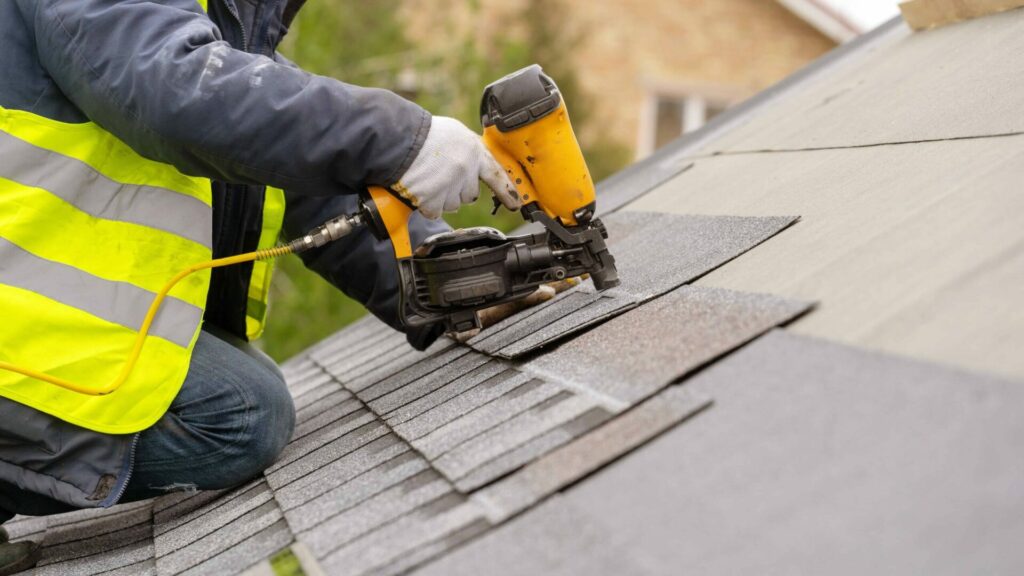
Commercial flat roofs require particular attention to drainage because their low slope can make standing water more likely when drainage systems are not functioning correctly. Regular inspection of drains, seams, flashing, penetrations, and membrane surfaces can help identify concerns early.
Flat roof repair should focus on correcting both the visible damage and the reason the damage developed. For example, repairing a leak without addressing recurring ponding water may allow the same problem to return.
Professional evaluation can help determine whether localized repair is appropriate or whether the roofing system needs more extensive restoration.
Create a Commercial Roof Maintenance Schedule
A maintenance schedule makes roofing care easier to manage. Property managers can plan routine inspections, drainage cleaning, seasonal evaluations, and storm related assessments rather than waiting for problems to become obvious.
Before severe weather seasons, inspect drainage systems and vulnerable roof areas. After major storms, check for visible damage and arrange a professional inspection when necessary. Keeping maintenance consistent can help extend the useful life of the roofing system.
| Maintenance Task | Recommended Purpose |
|---|---|
| Roof inspection | Identify early damage |
| Drain cleaning | Reduce ponding water |
| Flashing inspection | Prevent water intrusion |
| Membrane inspection | Identify cracks and punctures |
| Storm inspection | Find hidden weather damage |
| Repair tracking | Monitor recurring problems |
| Maintenance planning | Reduce unexpected expenses |
Why Professional Roof Repair Services Are Worth It
Attempting to repair commercial roof repair problems without the right experience can create additional damage or leave the original issue unresolved. Commercial roofing systems have different materials, designs, drainage requirements, and installation methods.
Professional roof repair services provide property owners with experienced evaluation and appropriate repair recommendations. Professional work can also help businesses avoid repeated temporary repairs that ultimately cost more over time.
If a roof problem is affecting your building, getting a professional assessment early can provide greater clarity and help you determine the best course of action.
How Action Roofing and Restoration Can Help
When commercial roof repair problems threaten your property, dependable service can make a significant difference. Action Roofing and Restoration provides roofing support for property owners who need professional assistance with leaks, storm damage, maintenance concerns, and other roofing issues.
Whether you are dealing with active roof leaks, damaged roofing materials, drainage problems, or concerns about an aging commercial roof, professional evaluation can help you understand what needs to be done.
Do not wait until a minor roofing problem disrupts your business. Contact Action Roofing and Restoration to schedule a professional assessment and discuss practical repair or maintenance solutions for your commercial property.
Protect Your Commercial Property With Preventive Roofing Care
A commercial roof repair is an important part of your building’s overall protection. Problems such as roof leaks, ponding water, damaged flashing, membrane deterioration, blocked drains, and storm damage can become expensive when they are ignored.
Regular inspections, proper drainage maintenance, timely Commercial Roof Repair, and professional building maintenance can help extend roof life and protect the property beneath it. Taking action early also gives business owners more control over repair costs and scheduling.
If you have noticed signs of roof damage or simply want to understand the current condition of your commercial roof, now is a good time to schedule an inspection. Contact Action Roofing and Restoration today for professional roofing assistance and take a proactive step toward protecting your building.
Frequently Asked Questions
What are the most common commercial roof repair problems?
Common problems include roof leaks, ponding water, damaged flashing, membrane deterioration, punctures, blocked drainage systems, storm damage, and deterioration caused by age or poor previous repairs.
How often should a commercial roof repair be inspected?
Commercial roofs should be inspected regularly, with additional inspections after major storms or severe weather. The ideal schedule depends on the roof’s age, material, condition, and exposure to weather.
What causes roof leaks on commercial buildings?
Roof leaks can result from damaged membranes, deteriorated flashing, open seams, clogged drains, punctures, aging materials, rooftop equipment, and poor previous repairs. Professional inspection can help locate the actual source.
How can I prevent commercial roof repair leaks?
Regular inspections, clean drainage systems, prompt repairs, proper maintenance, and post storm evaluations can help reduce the risk of leaks. Addressing small defects early is one of the most effective prevention strategies.
Is flat roof repair different from other roof repairs?
Yes. Flat and low slope commercial roof repair require particular attention to drainage because standing water can become a significant concern. Repairs should address both visible damage and any underlying drainage problems.
When should I call a roofing contractor?
You should contact a commercial roof repair contractor when you notice leaks, water stains, ponding water, damaged materials, loose flashing, storm damage, or recurring roofing problems. Professional evaluation can prevent minor issues from becoming more expensive.
Can regular building maintenance extend the life of a commercial roof?
Yes. Regular building maintenance can help identify damage early, keep drainage systems functional, address minor defects, and reduce unnecessary deterioration. Consistent maintenance can contribute to a longer lasting roofing system.
Should I repair or replace my commercial roof?
The right choice depends on the roof’s age, extent of damage, material condition, repair history, and overall performance. A professional roofing inspection can help determine whether repair, restoration, or replacement is the most practical option.
Can Action Roofing and Restoration help with commercial roof leaks?
Yes. If your commercial property has roof leaks or other roofing concerns, Action Roofing and Restoration can assess the problem and help determine the appropriate repair or maintenance solution.
What should I do after a major storm damages my commercial roof?
Arrange a professional inspection as soon as it is safe. Storm damage is not always immediately visible, and early evaluation can help identify problems before rain and moisture cause additional damage to the building.
Take Action Before a Small Roofing Problem Becomes a Major Expense
Commercial roofing problems rarely become less expensive when they are ignored. Regular inspections, preventive maintenance, proper drainage, and timely repairs can help protect your building and reduce unexpected business disruptions.
If you suspect your commercial roof needs attention, do not wait for the next major storm or interior leak. Contact Action Roofing and Restoration today to schedule a professional roofing assessment and get a clear plan for protecting your commercial property.